| Key Attributes | Short-depth rack server with filter bezel for Near-Edge customers featuring the latest Intel® Xeon® 6300 Series processors, DDR5 memory, NVMe BOSS, and Energy Star 4.0 PSU |
|---|---|
| Target Workloads | Collaboration and Sharing, Mail and Messaging, Near-Edge Applications |
| Processor Type | 1 x Intel® Xeon® 6300 Series processor with up to 8 cores, or 1 x Intel® Xeon® E-2400 Series processor with up to 8 cores, or 1 x Intel® Pentium processor with 2 cores |
| DDR5 DIMM Slots | 4 (128 GB) |
| Disk Drives | 2 x 3.5” 6 x 2.5” 4 x 2.5" Chip SATA SSD(SW RAID) 4 x 2.5" Chip SATA+2 x 2.5’’ NVMe(SW RAID) 4 x 2.5" SAS/SATA+2 x 2.5’’ NVMe(HW RAID) |
| NVMe Drives | 2 |
| Gen5 PCIe Slots | N/A |
| Gen4 PCIe Slots | 2 |
| Accelerator Support | N/A |
| Rack Height | 1 |
| Integrated Security | TPM 2.0 FIPS, CC-TCG certified, TPM 2.0 China NationZ, Cryptographically Signed Firmware, Chassis Intrusion Alert, Secure Boot being standard security, Silicon Root of Trust, System Lockdown (requires iDRAC9 Enterprise or Datacenter), Data at Rest Encryption (SEDs with local or external key mgmt) Secured Component Verification (Hardware integrity check) and System Erase on all racks. |
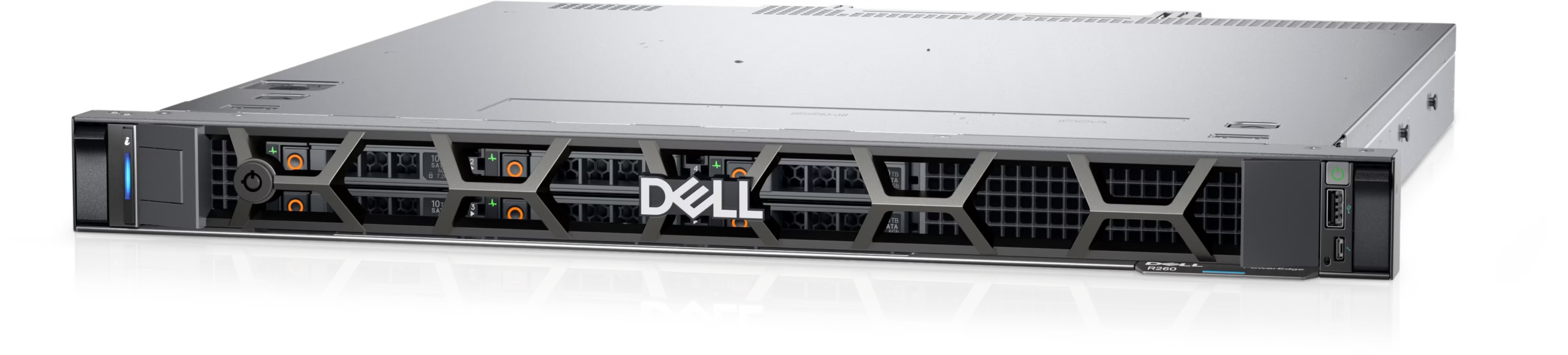
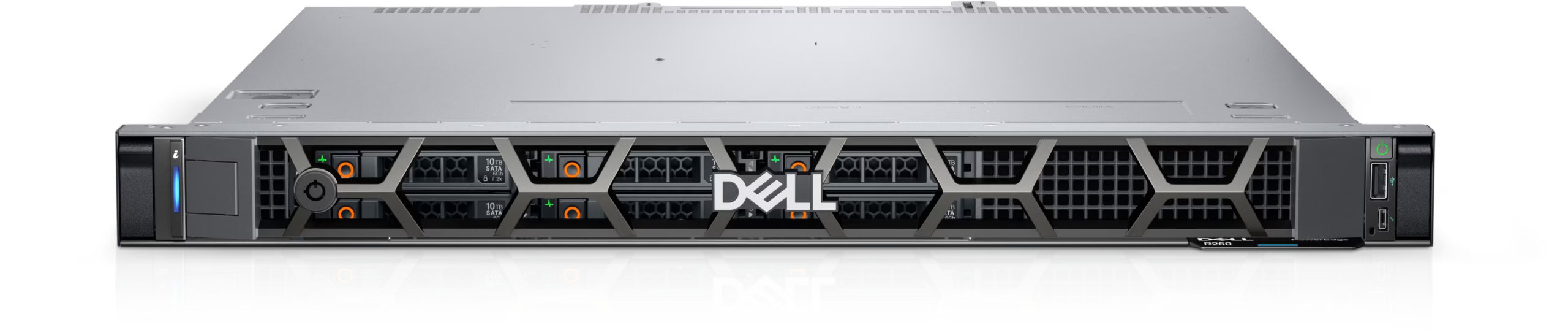
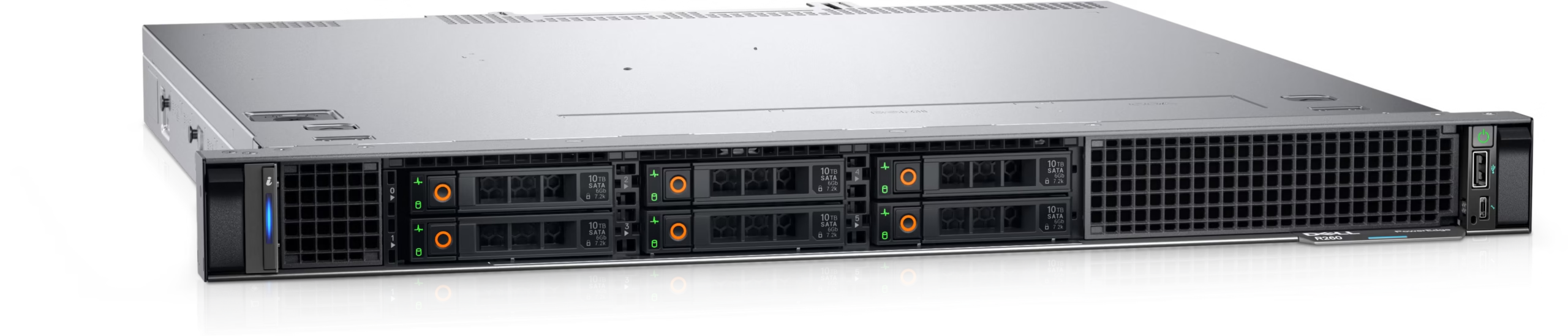

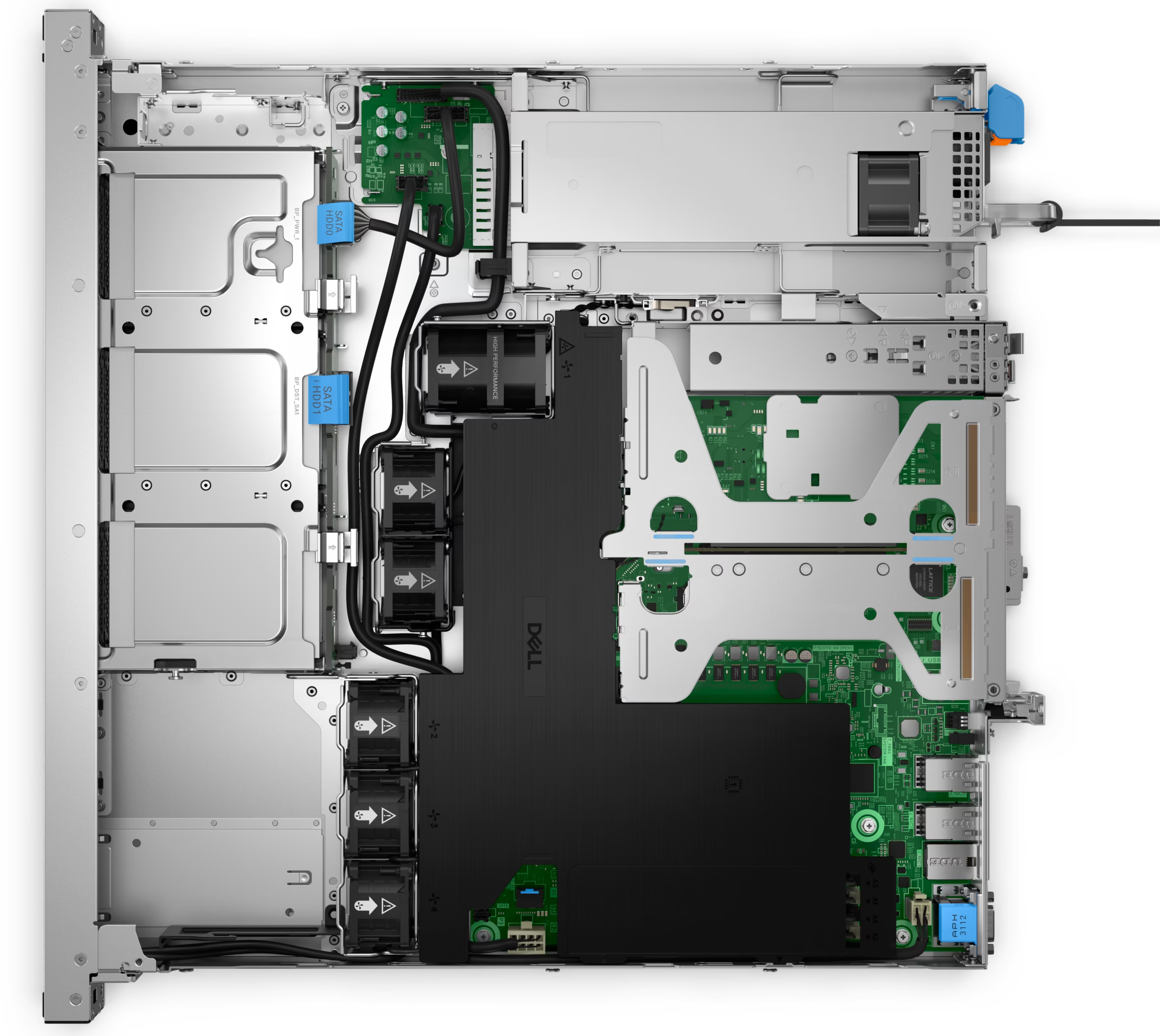
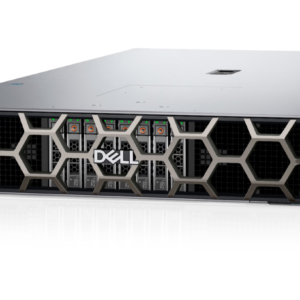
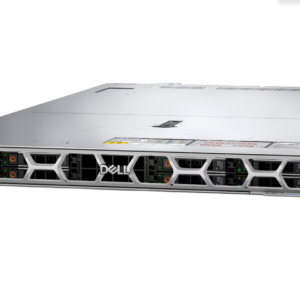
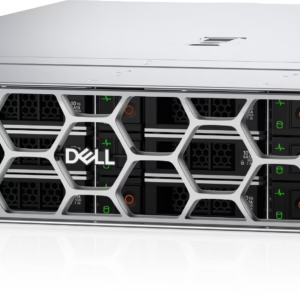
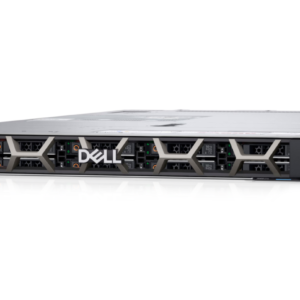
Dell PowerEdge R260
The 1U, single-socket Dell PowerEdge R260 is a short-depth form factor for customers desiring flexibility, affordability and processing power.
Dell PowerEdge R260 Overview
Dell PowerEdge R260 is designed for buyers planning a configured enterprise infrastructure deployment. 17-in chassis for Near-Edge and SMB applications The 1U, single-socket Dell PowerEdge R260 is a short-depth form factor for customers desiring flexibility, affordability and processing power. GPULoom supplies quotation-based configurations for data-center, cloud, virtualization and business application projects. Because processor, memory, storage, networking, risers, power supplies, firmware, warranty and condition can vary by unit, the exact bill of materials is confirmed before an order or project commitment.
Dell PowerEdge R260 Configuration Highlights
- Processor platform: 1 x Intel® Xeon® 6300 Series processor with up to 8 cores, or 1 x Intel® Xeon® E-2400 Series processor with up to 8 cores, or 1 x Intel® Pentium processor with 2 cores
- Memory: 4 (128 GB)
- Storage options: 2 x 3.5” 6 x 2.5” 4 x 2.5" Chip SATA SSD(SW RAID) 4 x 2.5" Chip SATA+2 x 2.5’’ NVMe(SW RAID) 4 x 2.5" SAS/SATA+2 x 2.5’’ NVMe(HW RAID)
- NVMe support: 2
- Expansion: 2
- Form factor: 1
These capabilities describe the platform and its supported configuration range rather than a guaranteed stock configuration. Buyers should provide the expected workload, required capacity, preferred drive layout, network speed, operating environment and redundancy goals. GPULoom will then confirm compatibility and availability for the requested build.
Processor and Memory Planning
For Dell PowerEdge R260, the available processor information is: 1 x Intel® Xeon® 6300 Series processor with up to 8 cores, or 1 x Intel® Xeon® E-2400 Series processor with up to 8 cores, or 1 x Intel® Pentium processor with 2 cores. CPU choice should be evaluated against application licensing, core count, clock requirements, virtualization density and power limits. A higher core count is not automatically the best choice for every workload, particularly where software licensing or per-core performance affects total cost.
The documented memory information is: 4 (128 GB). Final memory planning should account for capacity, channel population, module type, rank, speed and future expansion. For clustered or virtualized environments, it is also useful to reserve headroom for failover, maintenance and workload growth rather than sizing only for the initial deployment.
Storage, Networking and Expansion
Storage planning for Dell PowerEdge R260 should start from the required balance of capacity, latency, endurance and serviceability. The current platform data lists: 2 x 3.5” 6 x 2.5” 4 x 2.5" Chip SATA SSD(SW RAID) 4 x 2.5" Chip SATA+2 x 2.5’’ NVMe(SW RAID) 4 x 2.5" SAS/SATA+2 x 2.5’’ NVMe(HW RAID). Drive-bay support does not by itself guarantee that every backplane, controller, cable, boot device or RAID combination is included, so these items are verified as part of the quotation.
Networking and PCIe requirements should be specified alongside storage because adapters, risers and accelerator choices can compete for slots, lanes, power and cooling capacity. Include required Ethernet speeds, port counts, optics or transceivers, host bus adapters, storage controllers and accelerator models in the request. GPULoom will confirm that the proposed combination fits the selected chassis and power envelope.
Workloads and Deployment Fit
The listed workload positioning includes Collaboration and Sharing, Mail and Messaging, Near-Edge Applications. Actual suitability depends on the complete configuration, software stack and performance target. Before choosing a server, compare compute density, memory footprint, local storage, network throughput, rack space, acoustic and thermal limits, and the operational model used by the data center.
This product can be considered for new deployments, capacity expansion, standardized server refreshes and compatible replacement projects. For an existing environment, share the current server model, operating system or hypervisor, storage topology, network design and any application constraints. That information helps reduce configuration risk and makes the quotation more useful.
Management, Security and Lifecycle Considerations
Management planning should cover remote access, monitoring, alerting, firmware baselines and integration with existing administration tools. Available platform information includes: management licensing, remote administration features and firmware requirements should be confirmed with the requested configuration. Licensing and feature availability can differ by configuration, so required management capabilities should be named explicitly.
Security planning should include: TPM 2.0 FIPS, CC-TCG certified, TPM 2.0 China NationZ, Cryptographically Signed Firmware, Chassis Intrusion Alert, Secure Boot being standard security, Silicon Root of Trust, System Lockdown (requires iDRAC9 Enterprise or Datacenter), Data…. Buyers should also define requirements for secure boot, trusted platform modules, drive sanitization, firmware versions, account access, asset records and data-at-rest protection. Warranty coverage, service level, included rails, bezels, power cords and other accessories must be confirmed in the final quotation.
Request a Configured Dell PowerEdge R260 Quote
Use the GPULoom server catalog to compare related systems, or contact GPULoom with the desired processor, memory, storage, networking, accelerator, warranty and delivery destination. Inventory, condition, lead time and included components are confirmed before purchase. For additional platform documentation, consult the official Dell Support portal.
Dell PowerEdge R260 FAQ
Can GPULoom configure Dell PowerEdge R260 for my workload?
Yes. Send the workload, operating system or hypervisor, CPU and memory targets, storage layout, network requirements and delivery country. GPULoom will confirm a compatible configuration and current availability.
Are the listed maximum specifications included?
No. Maximum or supported specifications describe platform capability. The installed processor, memory, drives, controllers, adapters, power supplies, licenses and accessories are confirmed in the quotation.
Can I request specific drives, RAID, NICs or accelerators?
Yes, subject to platform compatibility and inventory. Provide exact part numbers when possible, or describe the required capacity, endurance, interface, port speed and workload.
What should I confirm before ordering?
Confirm the complete bill of materials, condition, warranty, firmware, rails and bezel, power cords, licenses, lead time, shipping terms and destination requirements.