AI GPU Server Selection Guide: 6 Decisions Before You Buy
AI infrastructure buying guide
AI GPU Server Selection Guide
Choose the platform around workload, fabric, storage and facility constraints—not a model name alone.
Start with the workload, not the GPU name
AI infrastructure purchasing goes wrong when teams select a GPU before documenting model size, precision, training or inference profile, target throughput and concurrency. Begin by estimating GPU memory demand, communication intensity and the acceptable time-to-result. Training large models generally places heavier demands on GPU-to-GPU fabric, network bandwidth and storage throughput, while inference may prioritize memory capacity, latency, power efficiency and deployment density.
Six decisions that shape the server
- GPU memory and count. Check whether the model and batch size fit on one accelerator, several GPUs in one node or multiple nodes.
- Interconnect topology. Closely coupled training benefits from a high-bandwidth GPU fabric. PCIe-only systems can be appropriate for more independent workloads.
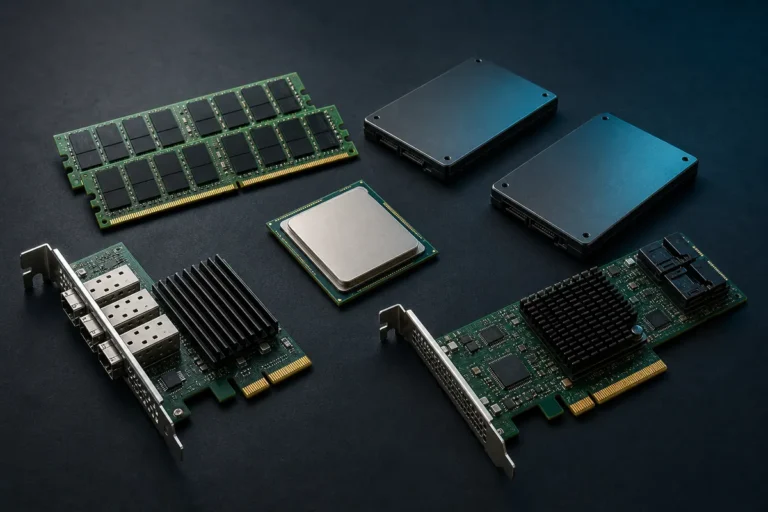
- Host platform. CPU core count, system memory and PCIe lanes must support data preparation, orchestration and attached devices without bottlenecks.
- Network fabric. Multi-node training commonly requires low-latency, high-throughput Ethernet or InfiniBand plus compatible adapters, switches, optics and cables.
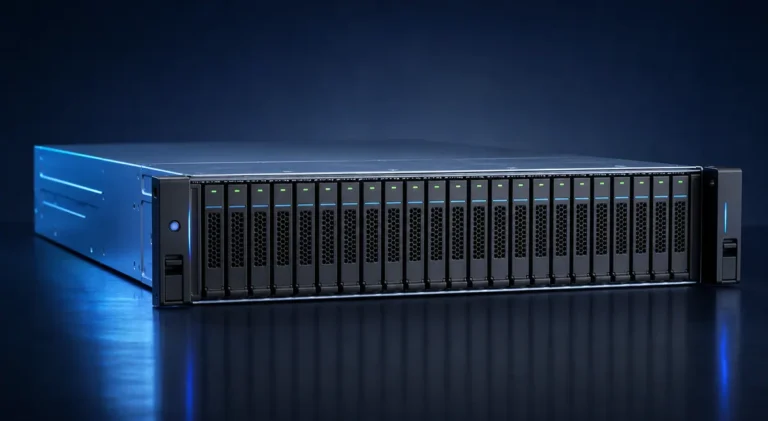
- Local and shared storage. Dataset ingestion, checkpointing and model distribution can make storage the hidden limiter.
- Power and cooling. Confirm rack power, connector type, redundant feeds, airflow direction, ambient conditions and whether liquid cooling is required.
Air-cooled versus high-density platforms
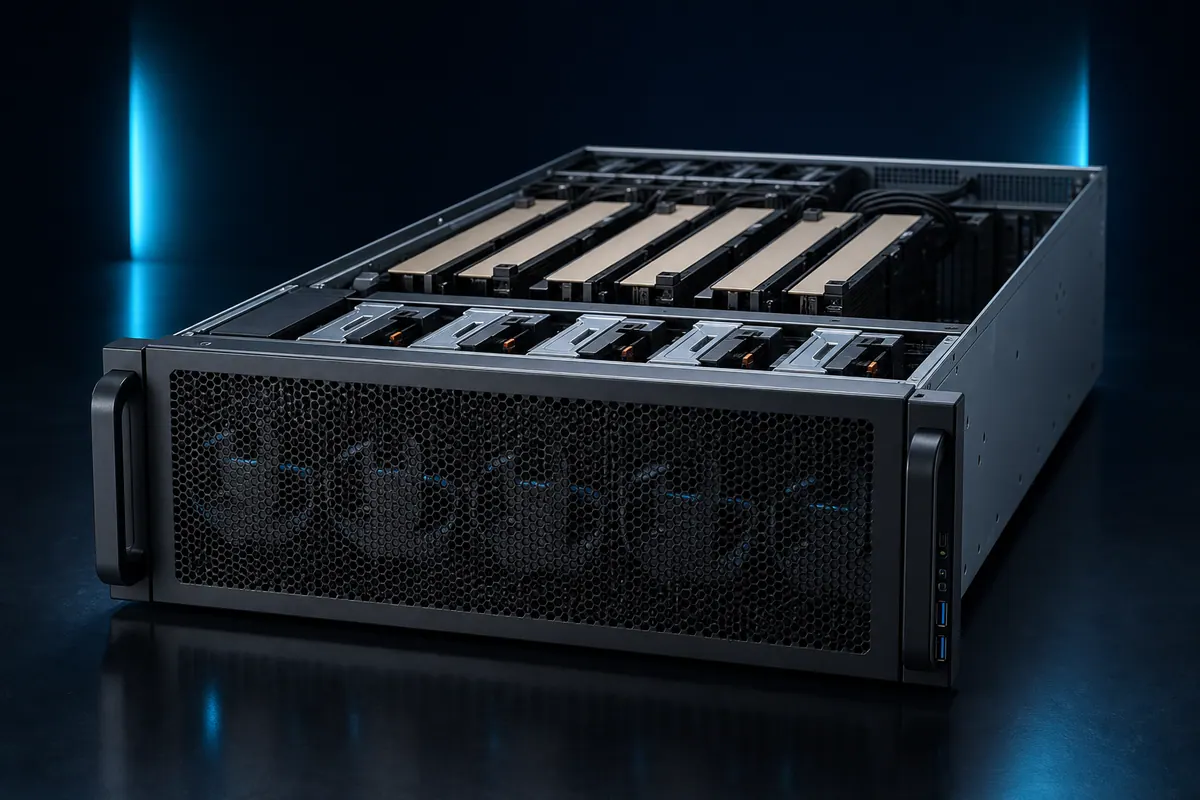
Air-cooled PCIe GPU servers can be easier to deploy in existing data centers, but GPU count and thermal headroom vary. HGX-class platforms provide tightly integrated multi-GPU architecture for the largest workloads, yet demand more rigorous rack, power and cooling planning. Treat the server, network, rack and facility as one design.
Build a complete request for quotation
Include the preferred GPU platform, GPU quantity, host CPU, system memory, local storage, network adapters, operating environment, rack power, destination and support term. If you are open to alternatives, state the workload and minimum acceptance criteria. This enables compatibility checking instead of a misleading like-for-like price comparison.
Common procurement mistakes
- Ignoring data-center power and cooling limits.
- Buying network adapters without matching switches, optics and cables.
- Under-sizing system memory or checkpoint storage.
- Assuming every GPU server supports the same expansion and service options.
- Comparing quotations without normalizing warranty, accessories and delivery scope.
Explore our GPU and AI platforms, or review the procurement guide before requesting a quote.
This guide is for procurement planning. Final specifications, compatibility and warranty terms must be verified against the selected manufacturer configuration and bill of materials.